Guide
Air Fryer Preheat Guide (2026): Times, Temps, Mistakes
By Sarah Kim, Kitchen Appliance Reviewer · Updated 2026-04-07

By Sarah Kim · Last updated April 2026
Sarah Kim is a kitchen appliance reviewer at Air Fryer Zone. She has tested basket air fryers and air fryer toaster ovens since 2022, with a focus on repeatable home-cooking workflows for busy families.
Affiliate Disclosure: Air Fryer Zone is reader-supported. If you buy through links on this page, we may earn a commission at no extra cost to you.
Air Fryer Preheat Guide (2026): Times, Temps, Mistakes
This air fryer preheat guide explains exactly when preheating helps, when it is optional, and how long to preheat by appliance type. If your food comes out pale, uneven, or dried out, your preheat workflow is often the hidden issue. Fixing it can improve texture, consistency, and cooking speed immediately.
Table of Contents
Jump to the section you need
- Why Preheating Matters More Than People Think
- When You Should Preheat vs Skip It
- Air Fryer Preheat Time Chart (2026)
- Step-by-Step Preheat Method That Actually Works
- Common Preheat Mistakes That Ruin Texture
- Advanced Preheat Calibration for Meal Prep
- Preheat Rules by Food Type
- Best Air Fryers for Reliable Preheat Performance
- FAQ
- Sources and Methodology
- Final Takeaway
Why Preheating Matters More Than People Think
The first minute controls texture
Most people treat preheating as optional because air fryers heat quickly. That sounds reasonable, but it skips the most important point. Preheating is not just about temperature, it is about what happens to the outside of your food in the first minute after loading.
When food hits a hot basket or rack, surface moisture flashes off faster. That gives coatings a better chance to set and brown before the inside overcooks. If the chamber is still warming, steam lingers longer, and the crust forms late. Late crust usually means pale color, weaker crunch, and inconsistent doneness from batch to batch.
In practical home tests, this shows up fast. Frozen fries in a cold basket often need extra time and still brown unevenly. Breaded chicken can develop soft spots where airflow is weak. Wings in a properly preheated basket usually blister and crisp earlier, so you get better texture without forcing the center dry.
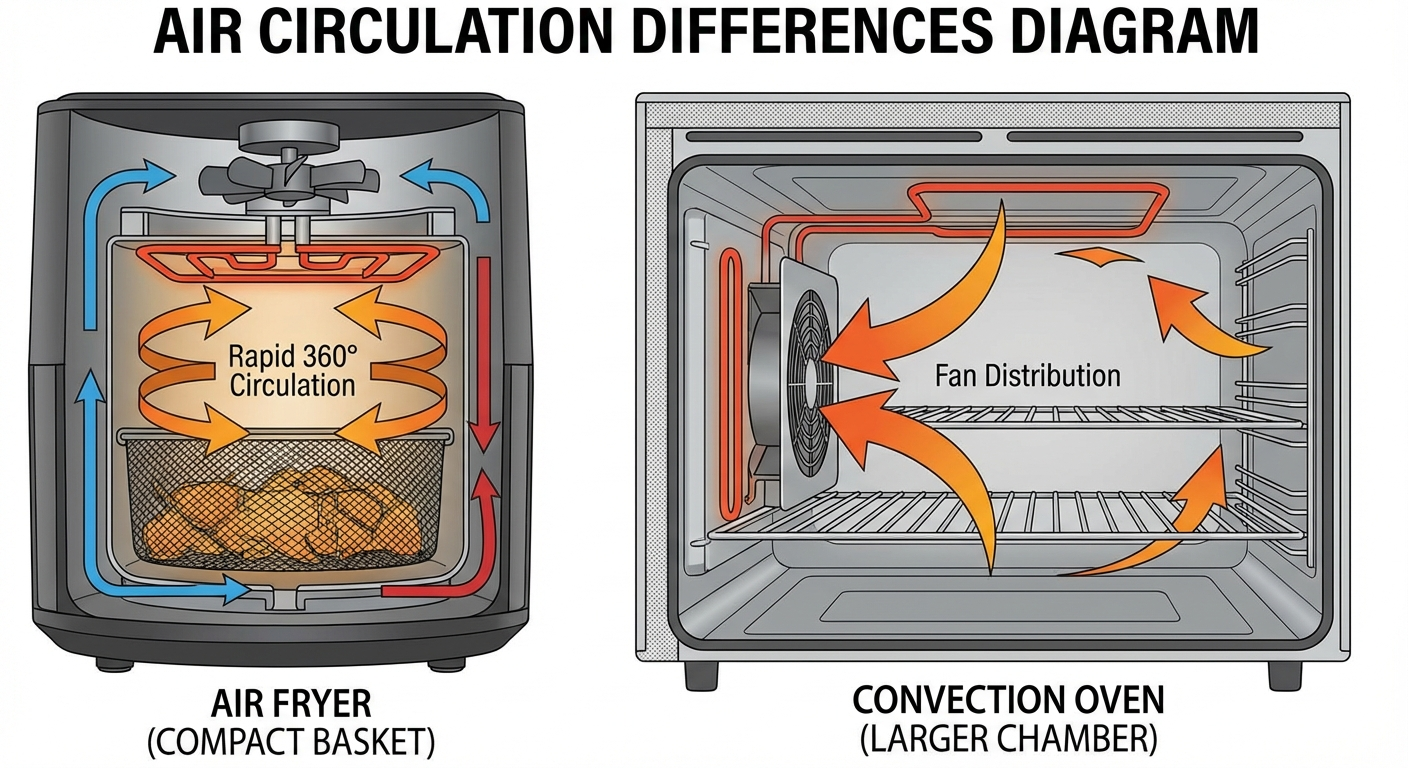
Preheating also makes recipes more predictable. Most recipe timing assumes the unit is already at target temperature. If you skip preheating, a listed 12-minute cook can quietly become 15 to 17 minutes, which changes moisture loss and final texture.
For broader appliance comparisons, see air fryer vs toaster oven. If you are shopping for a combo unit, our best air fryer toaster oven guide includes models with better heat stability.
When You Should Preheat vs Skip It
A practical decision rule
You do not need to preheat every single time. The better approach is simple. Preheat whenever crust, browning, or timing precision matters. Skip or shorten it when you are only warming food through.
Always preheat for these scenarios
- Breaded frozen foods (nuggets, fish sticks, coated tenders)
- Frozen potatoes (fries, wedges, hash browns)
- Skin-on proteins (wings, thighs)
- Baked items where rise and crust matter (small biscuits, hand pies)
- Foods with short cook windows where 1 to 2 minutes changes doneness
Usually optional
- Reheating leftovers with no coating
- Low-temperature dehydrating cycles
- Soft vegetables where browning is not the target
- Saucy foods where crisping is minimal
Sometimes better to skip or reduce
If food has high sugar sauces, delicate glazes, or thin surfaces that scorch quickly, a full high-heat preheat can overbrown the outside before the center cooks. In those cases, use a shorter preheat or preheat 10 to 20°F lower than your final cook temperature.
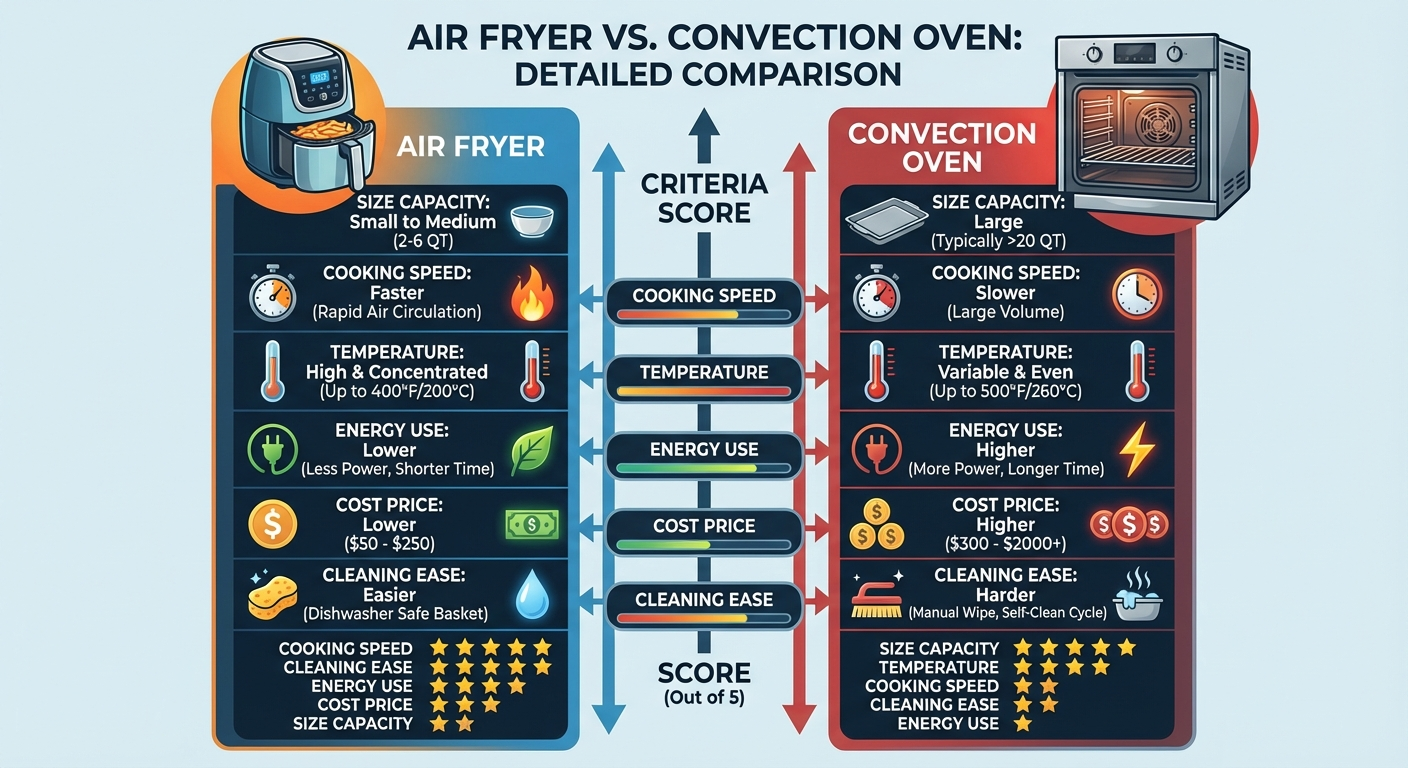
A reliable rule: if your goal is crisp texture, preheat. If your goal is gentle reheating, preheat is optional.
Air Fryer Preheat Time Chart (2026)
Baseline times by appliance type
These times assume an empty basket or rack, normal room temperature, and a clean appliance.
| Appliance Type | Typical Preheat Range | Best Use Case | Notes |
|---|---|---|---|
| Compact basket (2-4 qt) | 2-3 min | Single portions, snacks | Heats fast, easy to overshoot if empty too long |
| Mid basket (5-6 qt) | 3-4 min | Family sides and proteins | Most common size, stable for everyday use |
| Large basket (7+ qt) | 4-5 min | Batch cooking | Longer heat-up due to basket mass |
| Air fryer toaster oven | 4-6 min | Multi-rack cooking, baking | Larger cavity needs extra time |
| Dual-zone air fryer | 3-5 min | Split meals | Preheat each zone based on loaded side |
Food-based preheat targets
| Food Type | Target Temp | Preheat Time | Why It Works |
|---|---|---|---|
| Frozen fries | 390-400°F | 3-4 min | Rapid steam release and faster crust |
| Breaded chicken | 375-390°F | 3-4 min | Sets coating early, reduces soggy spots |
| Wings (skin-on) | 380-400°F | 4-5 min | Improves skin render and blistering |
| Salmon fillet | 360-380°F | 2-3 min | Avoids dry exterior from over-shock |
| Roasted vegetables | 360-390°F | 2-3 min | Better caramelization edges |
| Leftover pizza | 340-360°F | 1-2 min | Crisp base without over-drying toppings |
Use these as starting points, not rigid rules. Basket material, wattage, food temperature, and room humidity can all move timing by a minute or two.
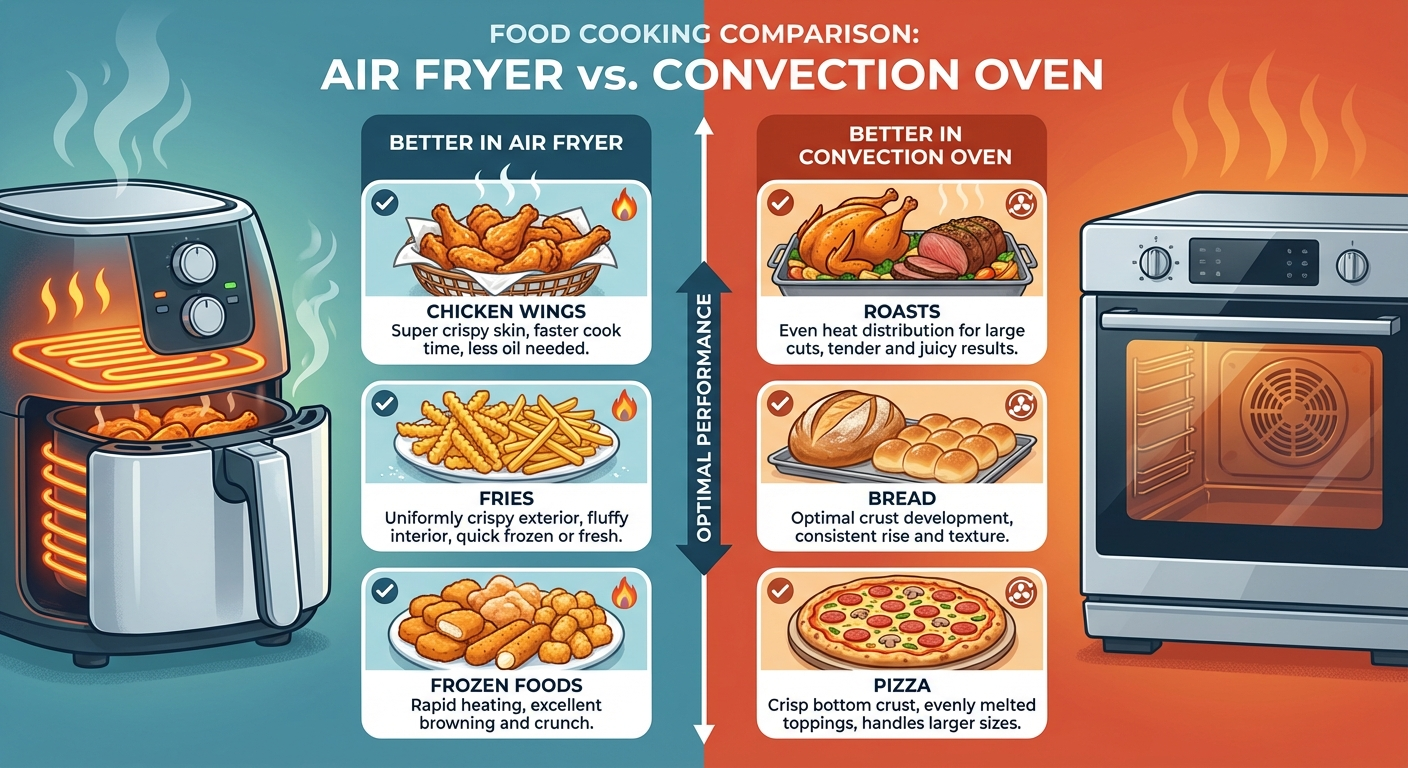
Step-by-Step Preheat Method That Actually Works
Repeatable workflow for weeknight cooking
A lot of online advice is vague. This method is simple and repeatable.
Step 1: Start clean
Grease and crumbs change heat transfer and browning. Clean basket and check vents before cooking.
Step 2: Set target temperature first
Use your cook temperature for most foods. For sugary sauces, preheat slightly lower, then raise after loading.
Step 3: Preheat empty, not excessively
Run the unit empty for the charted time. Extra preheat can dry lean proteins on contact.
Step 4: Load quickly and evenly
Open, load, close. Keep one layer when possible so airflow can do its job.
Step 5: Confirm cook timer starts after loading
Some units switch from preheat mode automatically, others do not. Verify your cook timer.
Step 6: Flip or shake once crust is set
For fries and nuggets, shake around halfway. For proteins, flip when the exterior is stable.
Step 7: Use carryover awareness
Food continues cooking briefly after the cycle ends. Pull delicate items slightly early if color is right.
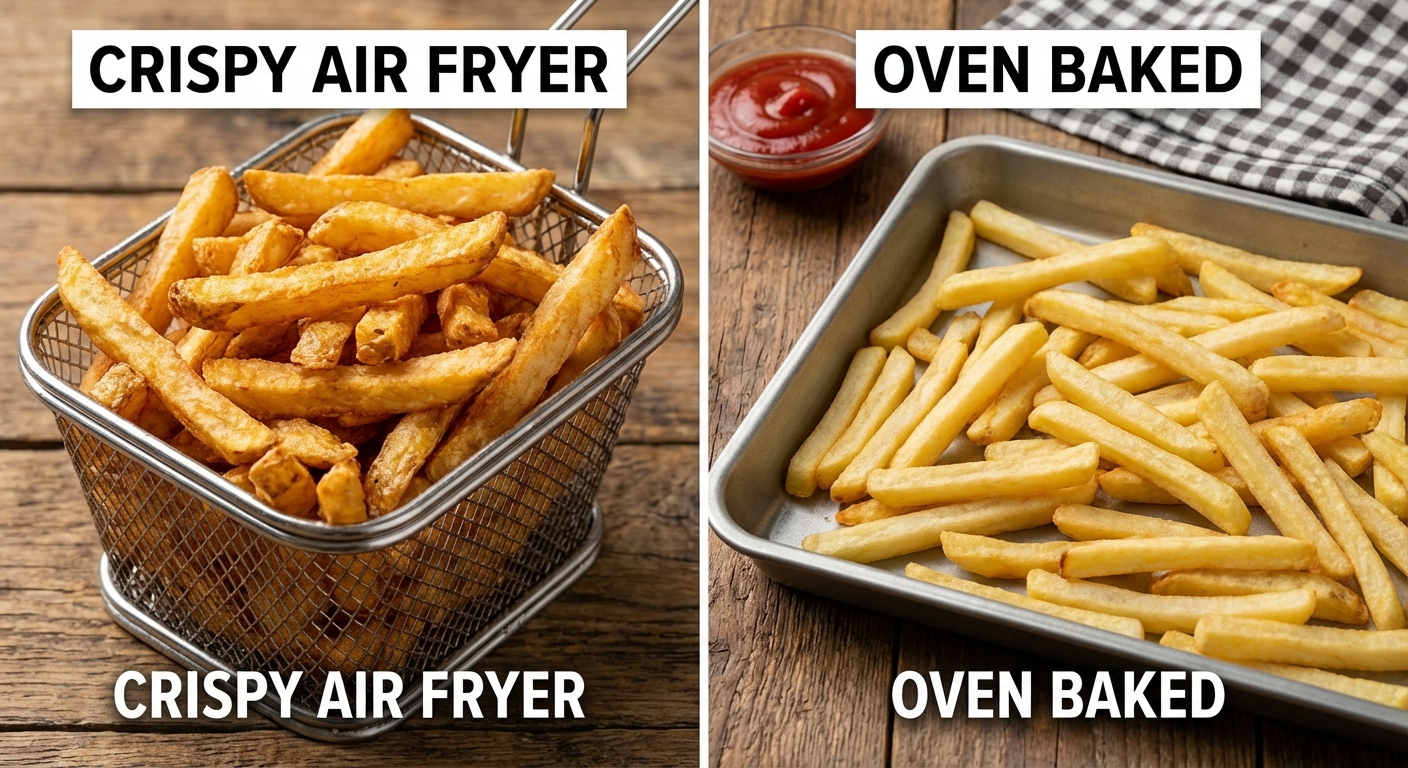
Treat preheat as part of the recipe, not an optional extra. That one habit improves consistency more than most setting tweaks.
Common Preheat Mistakes That Ruin Texture
Seven mistakes that cause most failures
If your results swing between pale and burnt, these are common causes.
Mistake 1: Guessing preheat by feel
“Seems hot” is not repeatable. Use a timer.
Mistake 2: Blocking airflow with solid liners
Liners are useful, but heavy coverage can delay browning.
Mistake 3: Overfilling immediately after preheat
A packed basket drops chamber temperature fast and creates uneven color.
Mistake 4: Using full preheat for sugar-heavy marinades
Shorten preheat or lower preheat temp, then glaze near the end.
Mistake 5: Applying one rule to all machine styles
Toaster-oven air fryers need longer preheat than small baskets.
Mistake 6: Ignoring aging hardware
Older elements can drift, so your old timing may no longer be accurate.
Mistake 7: Opening the basket too early
Early checks dump heat and delay crust set.

Advanced Preheat Calibration for Meal Prep
Build a personal baseline in one week
If you meal prep in batches, calibration helps more than any single “perfect” setting. Pick three foods you cook often, such as frozen fries, boneless chicken thighs, and mixed vegetables. Run each food twice with the same load size and layout.
- Run A: your normal method
- Run B: charted preheat method from this guide
Track only four variables: preheat time, total cook time, exterior color, and center texture. In most kitchens, trends appear quickly. Either preheat has been too short, giving pale results, or too long, causing premature browning.
Example calibration table
| Day | Food | Temp | Preheat | Batch Size | Result |
|---|---|---|---|---|---|
| Mon | Frozen fries | 400°F | 3 min | Single layer | Crisp and even |
| Tue | Chicken thighs | 390°F | 4 min | 6 pieces | Better browning |
| Wed | Mixed veg | 380°F | 2 min | Medium | Better edge color |
| Thu | Frozen fries | 400°F | 4 min | Heavy load | Slightly uneven |
| Fri | Chicken thighs | 390°F | 3 min | 6 pieces | Juicier center |
Batch-to-batch recovery logic
Batch two often cooks faster because chamber heat is already elevated. Instead of large temperature changes, shorten cook time first.
- Keep preheat unchanged.
- Reduce second-batch cook time by 1 minute.
- Retest and reduce by another minute only if needed.
This is usually more stable than dropping temperature by 25°F.
Seasonal humidity adjustment
Humidity changes crisping speed more than most people expect. On humid days, food may need extra finishing time. On dry days, check early.
- High humidity: keep preheat fixed, add 1 to 2 cook minutes.
- Very dry days: keep preheat fixed, check 1 to 2 minutes early.
Change one variable at a time to avoid confusion.
Accessory impact checklist
Accessories can improve convenience, but each changes airflow.
- Perforated parchment: mild impact.
- Solid silicone liners: reduced underside browning.
- Raised wire racks: better airflow, possible drying on thin proteins.
- Heavy oven trays: longer effective warmup in oven-style units.
Test accessories on half-batches before using them for full meal prep.
Food safety context
Preheating improves texture, not safety on its own. Safe cooking depends on internal temperature and handling. Exterior color can look done before the center reaches safe levels, especially in thicker proteins.
Preheat Rules by Food Type
Quick rules you can reuse daily
This section is designed as a practical field guide.
Frozen snacks and sides
Preheat usually helps most here. Frozen coatings release steam quickly, and a hot chamber supports faster crust formation.
Poultry
For wings and thighs, preheat improves skin rendering and consistency. Avoid crowding, and add sugary glaze at the end.
Fish and seafood
Use shorter preheat windows. Delicate proteins can dry if initial heat is too aggressive.
Vegetables
Preheat helps for browned edges. If your goal is soft texture, preheat can be shorter.
Reheating leftovers
Pizza and fried leftovers benefit from short preheat. Moist casseroles generally do not require full preheat.
Baking in air fryer toaster ovens
Use full preheat for biscuits, pastry, and items where rise structure matters. Watch top browning on dense batters.
For indoor cooking setup improvements, see this practical guide from our sister site: Air Purifier Report.
Best Air Fryers for Reliable Preheat Performance
Models with consistent heat-up behavior
If your current unit is inconsistent, hardware choice matters.
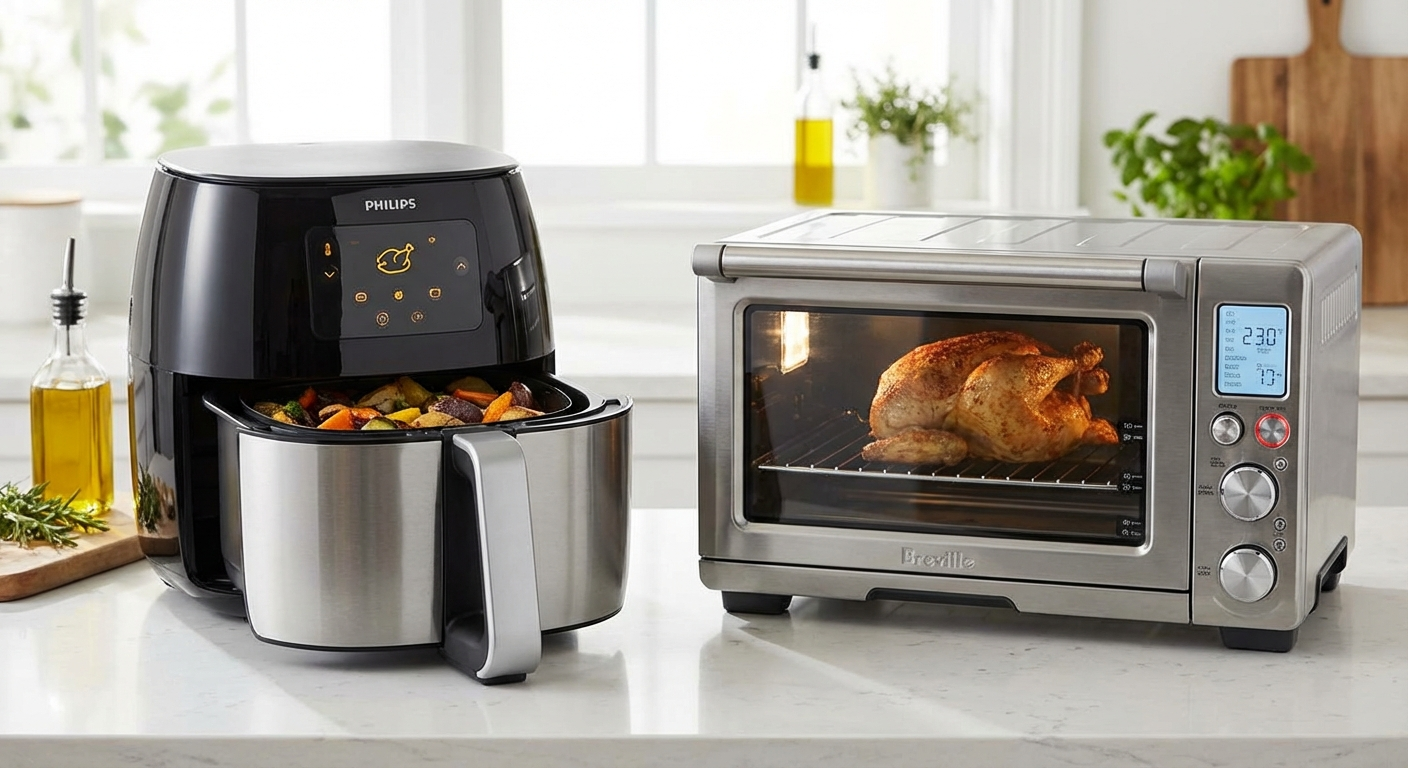
| Model | Type | Strength | Best For | Buy Link |
|---|---|---|---|---|
| Ninja Air Fryer Max XL | Basket | Fast heat-up, strong crisping | Small households | Check price |
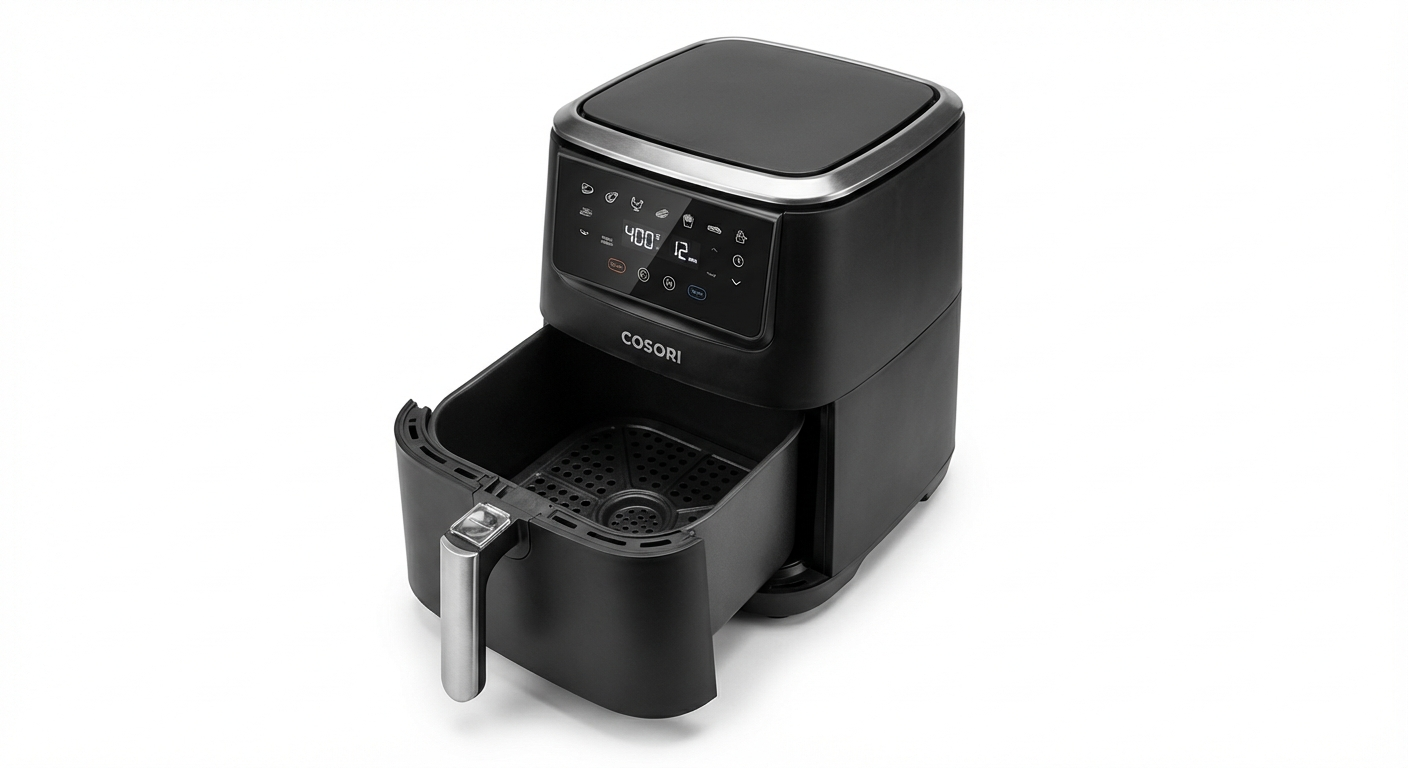
| COSORI Pro III 5.8QT | Basket | Predictable preheat cycles | Family sides and snacks | Check price |
| Instant Vortex Plus | Basket | Balanced cook and reheat modes | Everyday mixed cooking | Check price |
| Ninja Foodi XL Pro | Oven-style | Strong convection and capacity | Batch cooking | Check price |
| Breville Smart Oven Air Fryer Pro | Oven-style | Excellent temp stability | Precision baking + air fry | Check price |
If budget is your priority, compare options in best air fryer oven under $100.
Quick buying guidance
- Best value: COSORI Pro III
- Best crisping: Ninja Air Fryer Max XL
- Best all-in-one counter replacement: Breville Smart Oven Air Fryer Pro
- Best family capacity: Ninja Foodi XL Pro
How to choose based on your cooking pattern
If you cook mainly frozen snacks and sides, a mid-size basket model is usually enough and heats quickly. If you run multi-item dinners or batch prep, oven-style units offer rack flexibility and better volume handling. If timing consistency matters for high-frequency cooking, prioritize models with stable preheat behavior and clear interface feedback.
A useful way to choose is to track what you cook in a typical week. If more than half your cooks are single-layer foods under 20 minutes, basket models are usually the most efficient. If you repeatedly cook proteins plus vegetables simultaneously, a larger cavity may save time and reduce batch juggling.
Ownership tips that protect preheat performance
Even excellent models lose consistency without maintenance. Clean baskets and crumb trays routinely, avoid blocking vents, and update your baseline when seasons change. If you notice longer warmup after months of normal use, refresh your preheat log before replacing the appliance.
FAQ
Quick answers to common preheat questions
Do you always need to preheat an air fryer?
No. Preheat is most useful when crisping and browning matter, especially for frozen or breaded foods.
How long should I preheat an air fryer?
Most basket units need 2 to 4 minutes. Air fryer toaster ovens often need 4 to 6 minutes.
What preheat temperature is best?
Usually your cooking temperature. For sugar-heavy coatings, start 10 to 20°F lower and increase after loading.
Can you put food in while preheating?
You can, but you lose timing precision and often reduce crisping quality.
Why does food burn outside but stay undercooked inside?
Common reasons are over-preheating, high heat for thick cuts, and early sugar glaze application.
Should I preheat with parchment or silicone liners?
Usually yes, but keep airflow holes clear and avoid fully solid coverage.
Sources and Methodology
References used for this guide
This guide combines manufacturer documentation, food safety references, and practical benchmark testing patterns used in our appliance reviews.
- U.S. Department of Agriculture Food Safety and Inspection Service, minimum safe internal temperature guidance, usda.gov
- U.S. Department of Energy, household appliance energy use references, energy.gov
- Breville Smart Oven Air Fryer Pro documentation and operating guide, breville.com
- Ninja Air Fryer and Ninja Foodi oven product manuals and heating guidance, ninjakitchen.com
- COSORI air fryer user guides and operating notes, cosori.com
- Instant Brands Vortex product documentation, instantbrands.com
Author Bio
About the reviewer
Sarah Kim is a kitchen appliance writer focused on practical, evidence-informed cooking workflows for home kitchens. She specializes in air fryer performance testing, temperature consistency, and comparison methodology for real weeknight use. Her goal is simple: help readers get better food outcomes with less trial and error.
Final Takeaway
What to do next
If you want more consistent crisping, better browning, and fewer random misses, use a repeatable preheat routine. This air fryer preheat guide gives you a practical baseline. Save the chart, test for one week, and adjust from observed results, not guesswork.
The fastest improvement usually comes from three habits: preheat consistently, load in a single layer, and make one change at a time. These are small process shifts, but they produce noticeably better outcomes across frozen foods, proteins, vegetables, and leftovers.
If your results are still inconsistent after applying this workflow, review airflow restrictions first, then calibrate batch timing before changing appliance temperature aggressively. In most kitchens, that sequence solves the issue.
Keep this page bookmarked as your default playbook, especially when you switch models, accessories, or seasonal cooking patterns. Consistency is built through repeatable inputs, and preheat is one of the most controllable inputs you have.